07-31-08
Scotland, Pt. 6
Pilgrimage to Mull
We snagged breakfast at the hostel for 190p and then headed to the ferry terminal to catch the 9:50am ferry to the Isle of Mull. Even though clouds and rain persisted in the area, the passage was peaceful and pleasant. The isles of the Inner Hebrides lay before us. We spent the entire 45-minute trip snapping photos from the open deck. Eilean Musdile, a lighthouse marking the tip of the Isle of Lismore, passed by starboard; Lady’s Rock fell to port. Legend has it that a disgruntled MacLean left his wife on this rock when she was unable to grant him a male heir. The tides washed the rock – and his wife – out of sight, but not before a passing fisherman rescued her. That particular MacLean got his due thirty years later when he was murdered in Edinburgh. Finally we came upon Duart Castle, the ancestral home of the Clan MacLean and the official residence of its chieftain.


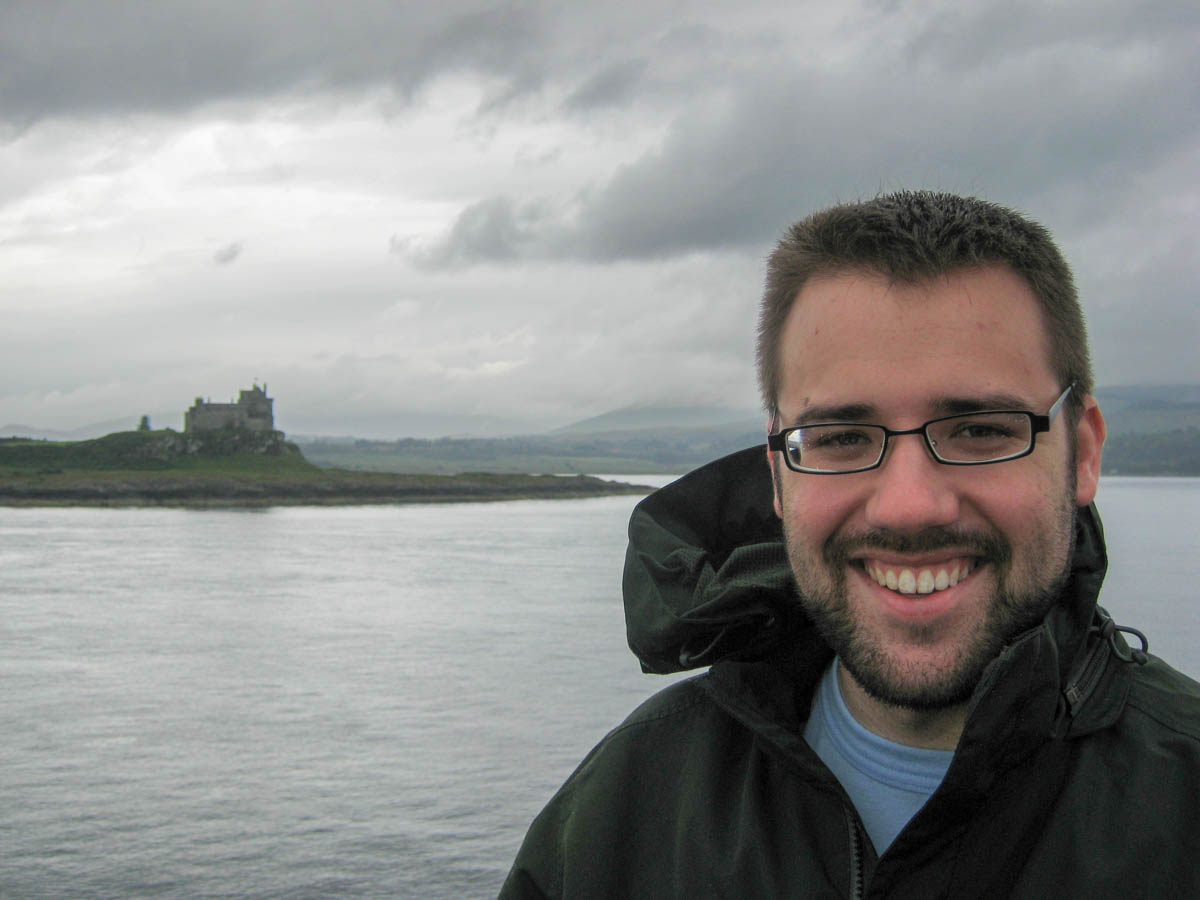
On arrival in Craignure, we immediately located a Castle Duart shuttle. 9 pounds and 50 pence bought us admission and round-trip transport. Here we got a taste of true Scottish roads – single track with passing turn-outs. The driver, Neil, told us a little bit about the island: home to about 3000 people, most of which live in Tobermory to the north, additional residents of the island include highland bulls and sheep. Lots of sheep, everywhere. “Traffic jam,” Neil joked as one sheep tottered around in front of the bus.
As the shuttle passed by a cemetery, Neil told us the 26th chieftan of Clan MacLean is buried there. His name was Sir Fitzroy MacLean, and he initiated a plan to buy and restore Duart Castle in 1911 at age 76. A friend of his joked that Fitzroy would surely be dead before it was finished, but old Fitz had the last laugh – he lived to the age of 101!
Neil asked if there were any MacLeans visiting Duart today, so I raised my hand and told him where I was from. He suggested that I sign the Clan guestbook as the Chieftan likes to see how far family members have come to visit. And as one of the largest clans, many come from far and wide, indeed.


We toured the courtyard, the kitchen, the well (which was once not enclosed), and a few of the cells in which prisoners were held. Most of the windows in the castle are very small and narrow and the walls in some places are 10-20 feet thick, as the castle was primarily built for enduring sieges. Cannon balls have been found embedded in them! The upper rooms are reached by going up a spiral staircase similar to the ones in other castles – just barely wide enough to be defended by one warrior with a sword.
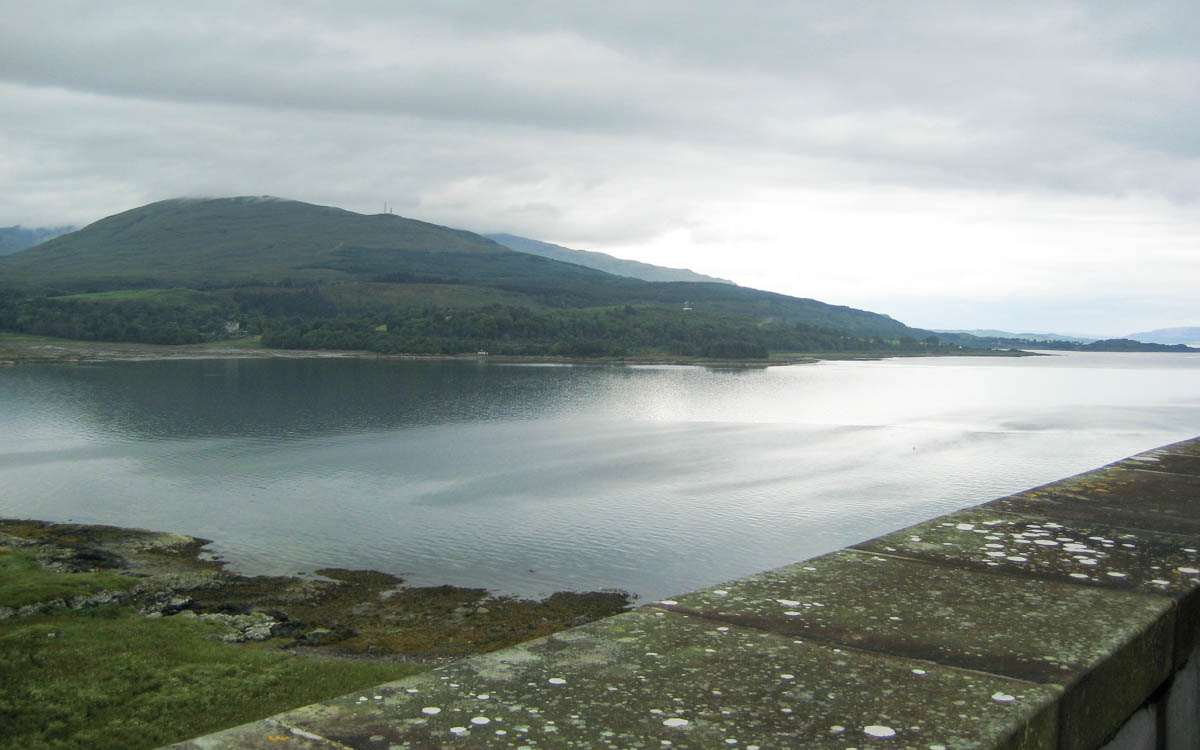
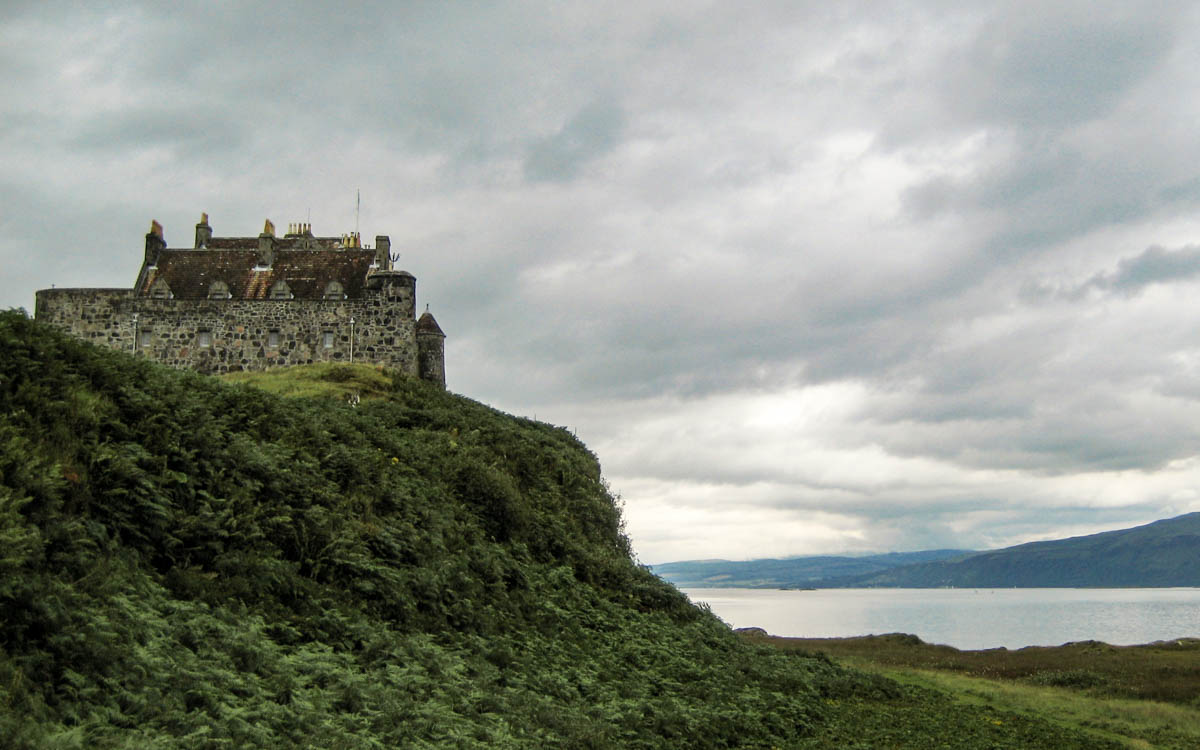

The main hall contained all kinds of MacLean paraphernalia like portraits and war medals. We enjoyed exceptional views out on the ramparts. I made sure to buy gifts for the family. Of course, I somehow walked past the guestbook, and they graciously re-admitted me to the Sea Room so I could sign it. I got a bit emotional leaving my name there – it felt as though I was a representative for my family, returned to see ancestral lands.
Back at the ferry terminal, we bought a bus ticket to Fionnphort (pronounced “fin-n-fort”), where we could catch a ferry to Iona. The bus driver informed us shortly thereafter that the last bus leaving from Fionnphort back to Craignure would leave just about when we arrived, leaving us no time at all on Iona. He must have sensed that we were becoming a somewhat distressed about it, especially since he couldn’t provide a refund for these now useless tickets, so he called over one of his buddies from the tour coaches and asked if there were any extra seats on one of the returning buses. Turns out there were, so when we reached Fionnphort the driver talked to one of the coach operators. All we would have to do was catch the right ferry back to Fionnphort from Iona and show him our return tickets.
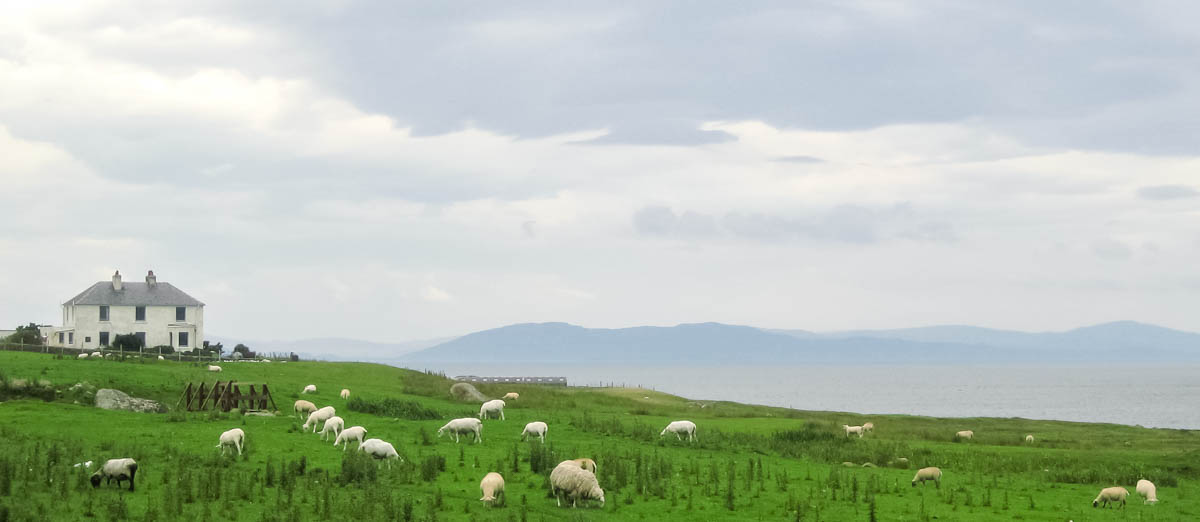
This gave us two hours on Iona, a huge improvement. The bus ride there showed us a beautiful, rugged side of Mull in which waterfalls cascaded from every hill. Two women from Tennessee asked us if we managed to work out our bus tickets. They’d apparently had some similar kinds of difficulties while working in Scotland as volunteers on a farm, so they were hoping everything would work out for us. They were headed to Iona to visit a friend and were planning to camp there. We admired their dedication since it seemed like the rain wasn’t going to let up.
It took us an hour and twenty minutes to reach Fionnphort, and when we got there the ferry was just preparing to leave. We paid, ran aboard, and enjoyed the short ride to Iona. The island is widely known as the birthplace of Christianity in Scotland. In 563 Saint Columba was exiled from Ireland as a result of his involvement in the Battle of Cul Dreimhne, and founded a monastery on Iona with 12 companions. From there they set about the conversion of pagan Scotland and much of northern England. Iona’s fame as a place of learning and Christian mission spread throughout Europe and it became a well-known site of pilgrimage.

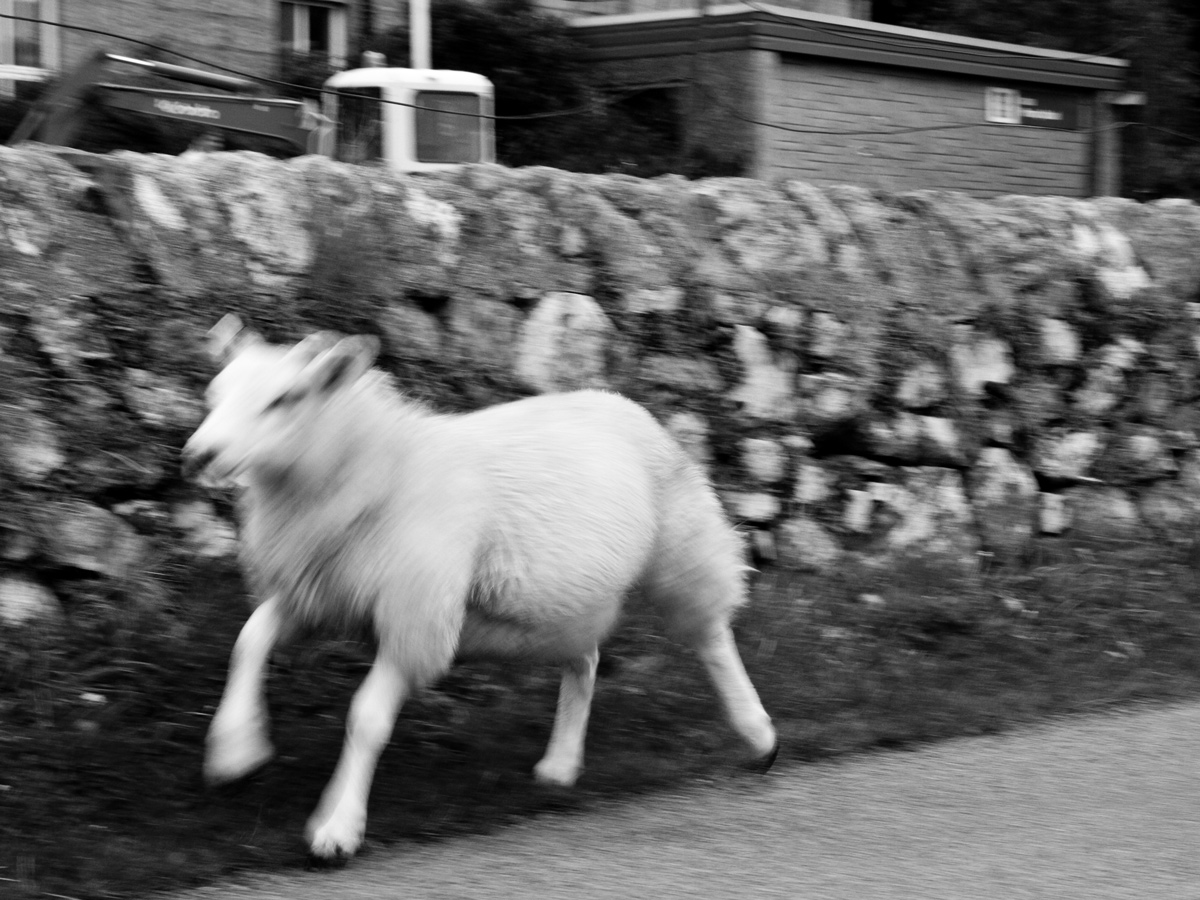
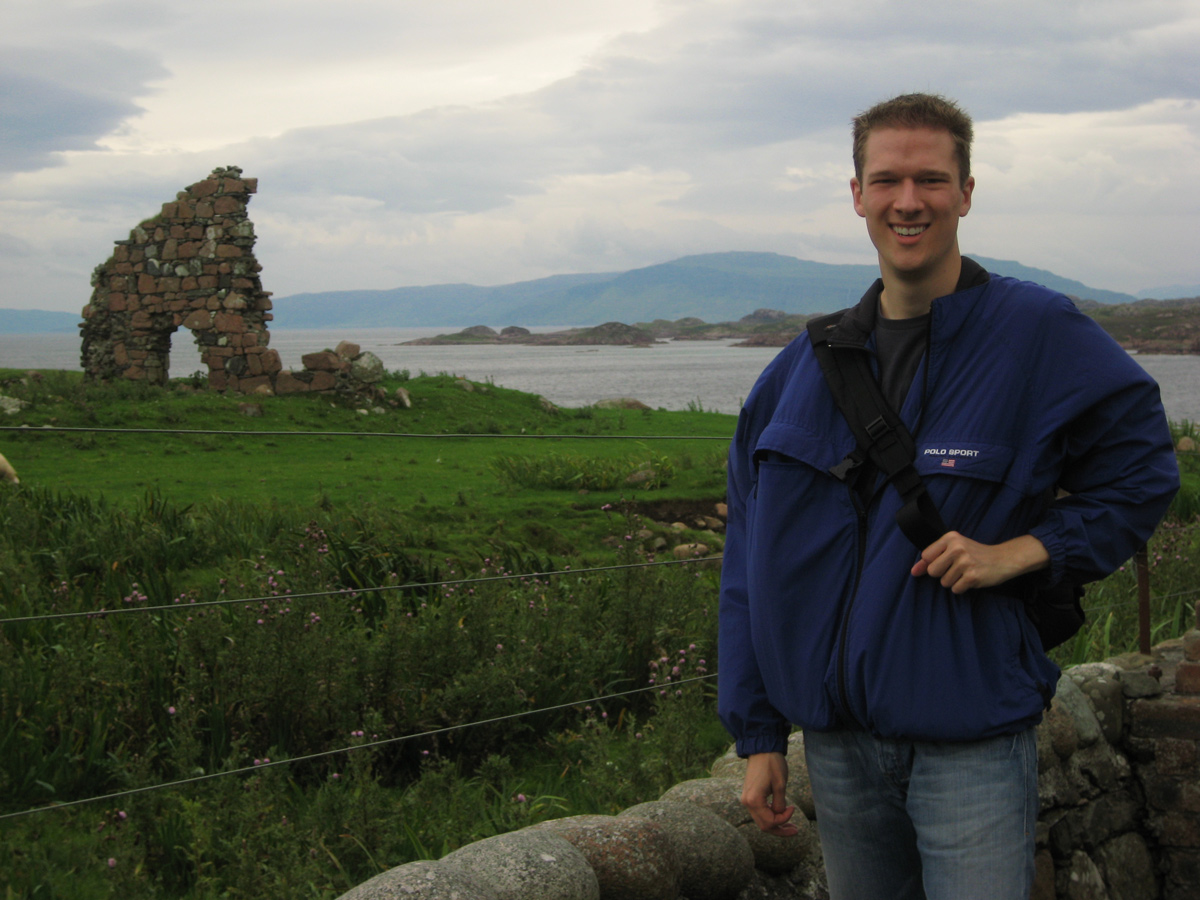
As we walked through town, a sheep escaped his pen and was running around the block, baa-ing relentlessly. “He’s trying to herd humans,” I joked to Jason. In short order we arrived at Iona Abbey, which was undergoing extensive renovations. Even so, it looked great and appeared to retain a lot of original detail. Out front was an old medieval stone road that lead toward the graveyard and several ancient stone crosses. Inside, light from the overcast day filtered in through windows with detailed ironwork, highlighting more stones and grave slabs.
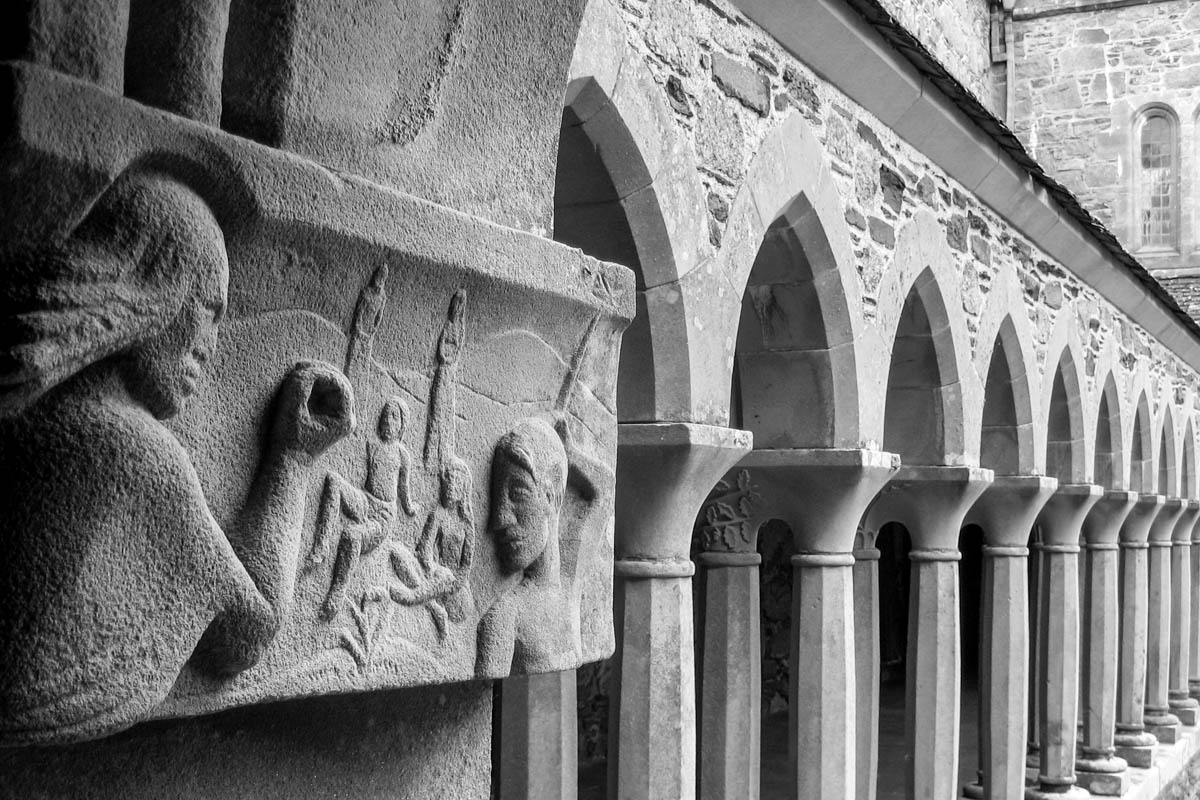


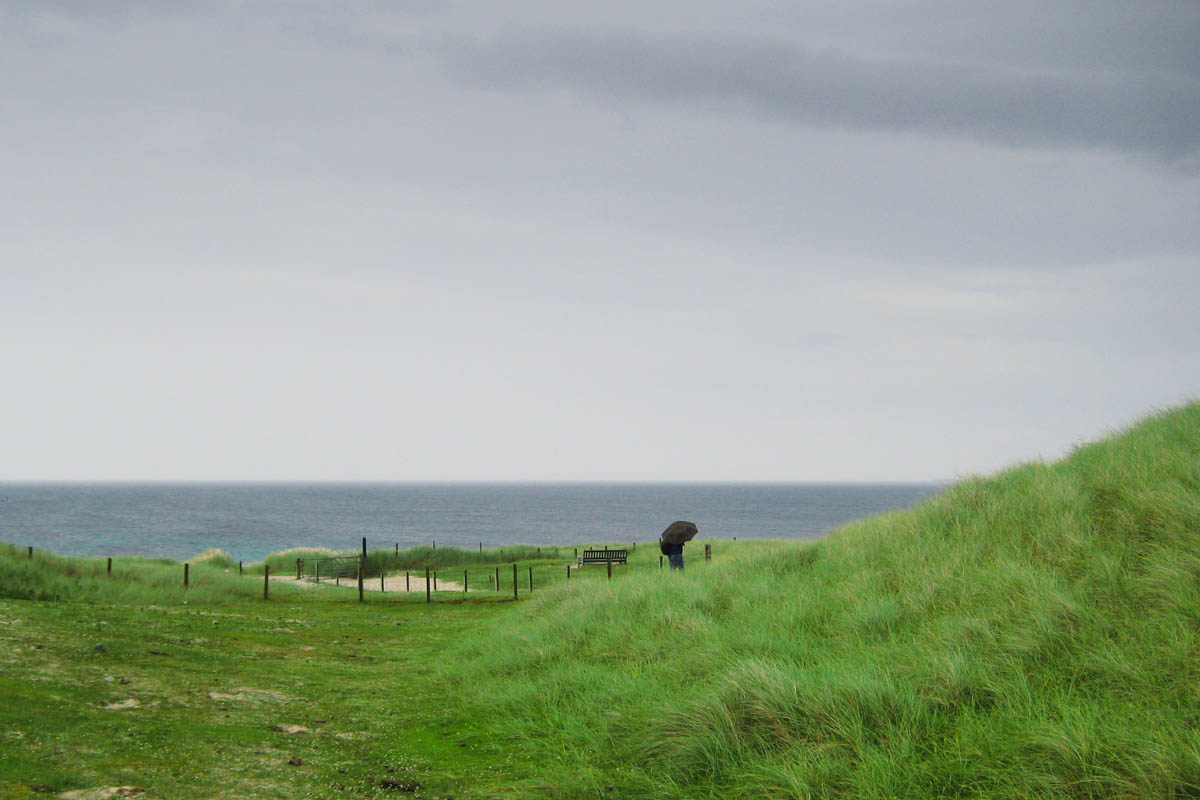
While we explored, it began to rain again, but we would not be dissuaded – we trekked up a country road to the North Shore. We were accompanied only by the sound of rain, wind and sheep. Under any other circumstances, the walk would’ve been miserable, but we were enjoying ourselves so much that it didn’t seem to matter.
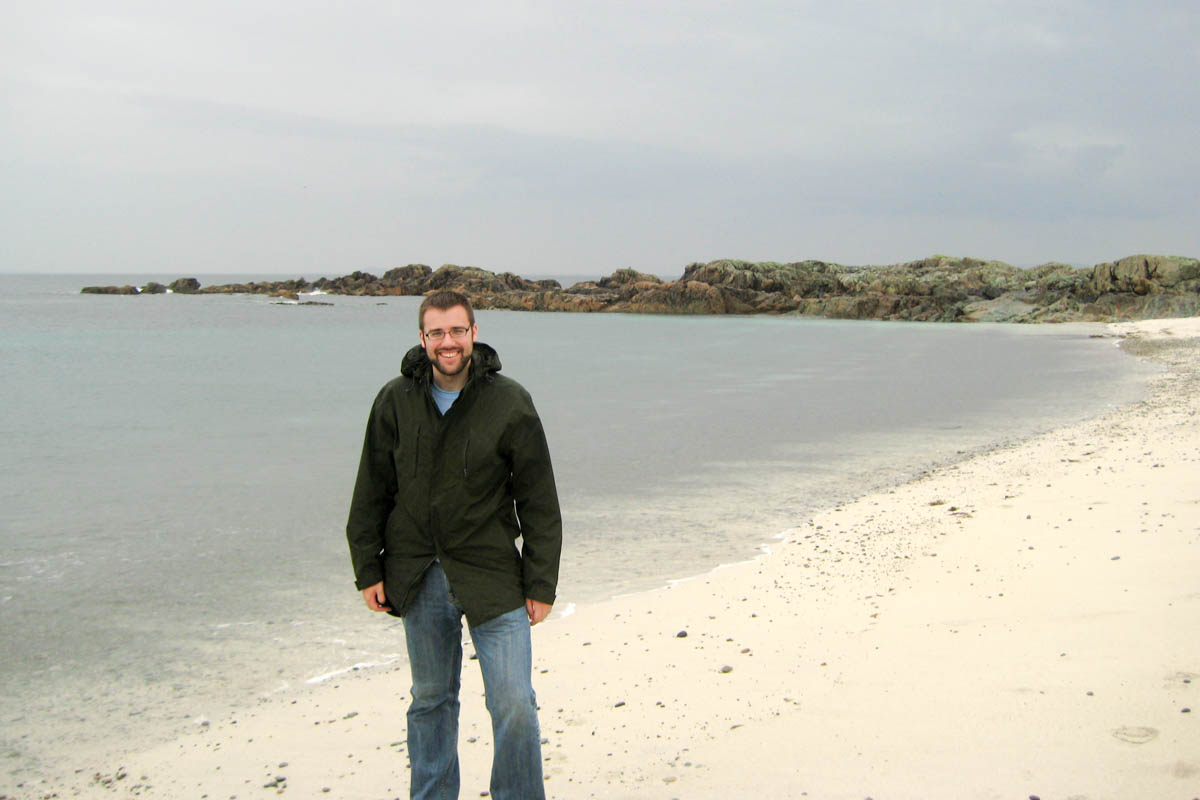
The beach was beautiful with white sand, colored pebbles, and seashells. I picked up just a few to take home. I could imagine how incredible this place would be on a clear day, but for some reason the clouds made it feel more special, maybe because so few would venture out here in the rain, and we had the place to ourselves. I looked out on the Atlantic Ocean, flying all the way to the U.S. in my mind’s eye. I felt at peace. The trip could’ve ended here and I’d have been happy.

There was some concern on return to Fionnphort about getting on the correct coach, but a short chat with the drivers rectified the situation and off we went into the rainy valleys of Mull. This time, we took advantage of the indoor lounge on the ferry to get warmed up and attempt to dry out.
For dinner, we went to Markie Dan’s, a local pub. Some locals gave us a (friendly) hard time about taking up their usual booth, but of course we were happy to move to a smaller table.
Back in our room, we hung out with a Dutch guy and compared our experiences in Edinburgh. For fun, he’d bought a full kilt getup and was wearing it in town, and tourists kept asking him to be in their pictures. He kept his mouth shut so as not to break the illusion for them!